Play Your Way to Peaceful Wins
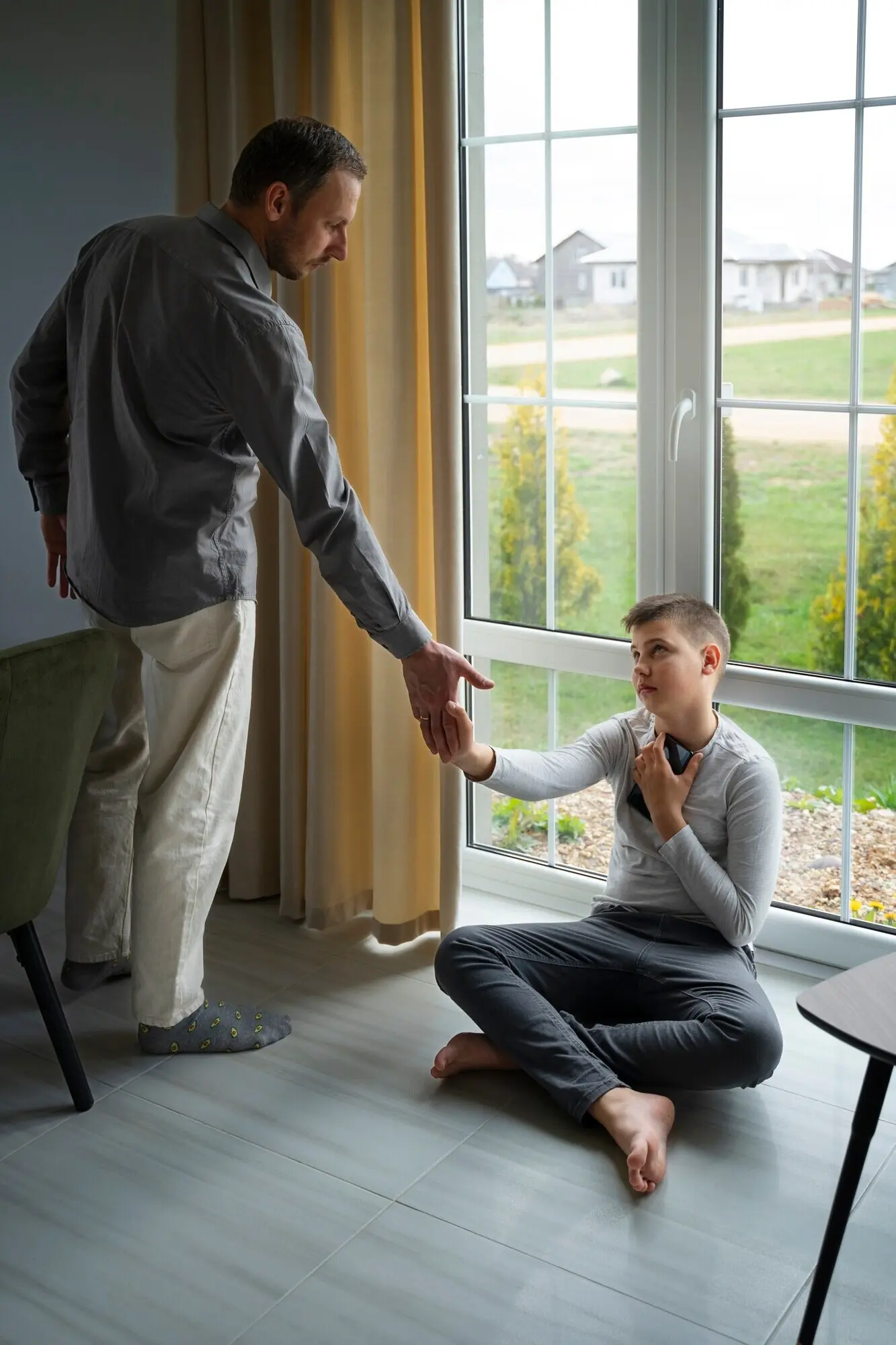
Step into a playful training ground where structured quests, points, and reflective pauses turn everyday disagreements into practice reps for calm dialogue and smart bargaining. We explore gamified challenges designed to build dependable conflict resolution and negotiation habits you can apply at work, home, and anywhere communication gets tense. Share your story in the comments and subscribe for weekly quests that keep practice light, supportive, and consistently rewarding.
Small Stakes, Real Skills
When outcomes are points, badges, or playful titles instead of bruised egos, people risk new approaches, test active listening, and practice offers and counteroffers. Low stakes invite repetition, and repetition forms habits that later transfer into real disputes with steadier nerves.
Autonomy, Mastery, Belonging in Action
Choose-your-quest paths respect autonomy, skill trees signal mastery growth, and co-op missions cultivate belonging. That trio fuels sustained motivation, keeping participants engaged through awkward silences, failed frames, or stalled bargaining rounds until they learn to breathe, realign interests, and try again constructively.
Core Mechanics That Nudge Better Agreements
Thoughtful mechanics convert messy conversation into visible, coachable moves. Turn tokens slow interruptions, listening points reward paraphrasing, and empathy multipliers unlock bonus options. Combine timers, reflection prompts, and escalating difficulty so players gradually balance assertiveness with curiosity, shaping durable habits aligned with principled negotiation and respectful conflict resolution.
Quests for Work, Home, and Community
Translate everyday friction into short quests with clear objectives, timeboxes, and reflection prompts. A weekly rota dispute becomes a cooperation puzzle; a budget disagreement turns into a resource-trade challenge. In piloted cohorts, participants reported warmer relationships and quicker decisions after finishing three scenario sets within two weeks.
The Stand-up Meeting Peace Sprint
Assign listening points for each uninterrupted status update, with bonus tokens when someone turns a complaint into a concrete request. Teams complete the sprint when every speaker earns parity. Over several mornings, interruptions fall, blockers surface earlier, and negotiation over priorities feels refreshingly civil and focused.
The Roommate Rent Puzzle
Model varying room sizes, noise levels, and work schedules as modifiers. Players propose bundles combining rent splits, cleaning trades, and quiet hours, then score fairness by perceived satisfaction, not just math. Most groups discover multiple acceptable agreements, boosting confidence before tackling tenser money conversations elsewhere.
The Neighborhood Noise Pact
Turn a recurring complaint into a seasonal cooperation quest. Residents map needs, identify shared quiet windows, and trade event support for late-night flexibility. Facilitators track listening and compromise points, celebrating milestones publicly, which defuses blame and replaces sarcasm with visible reciprocity across buildings and block chats.
Instant Micro-Feedback Without Shame
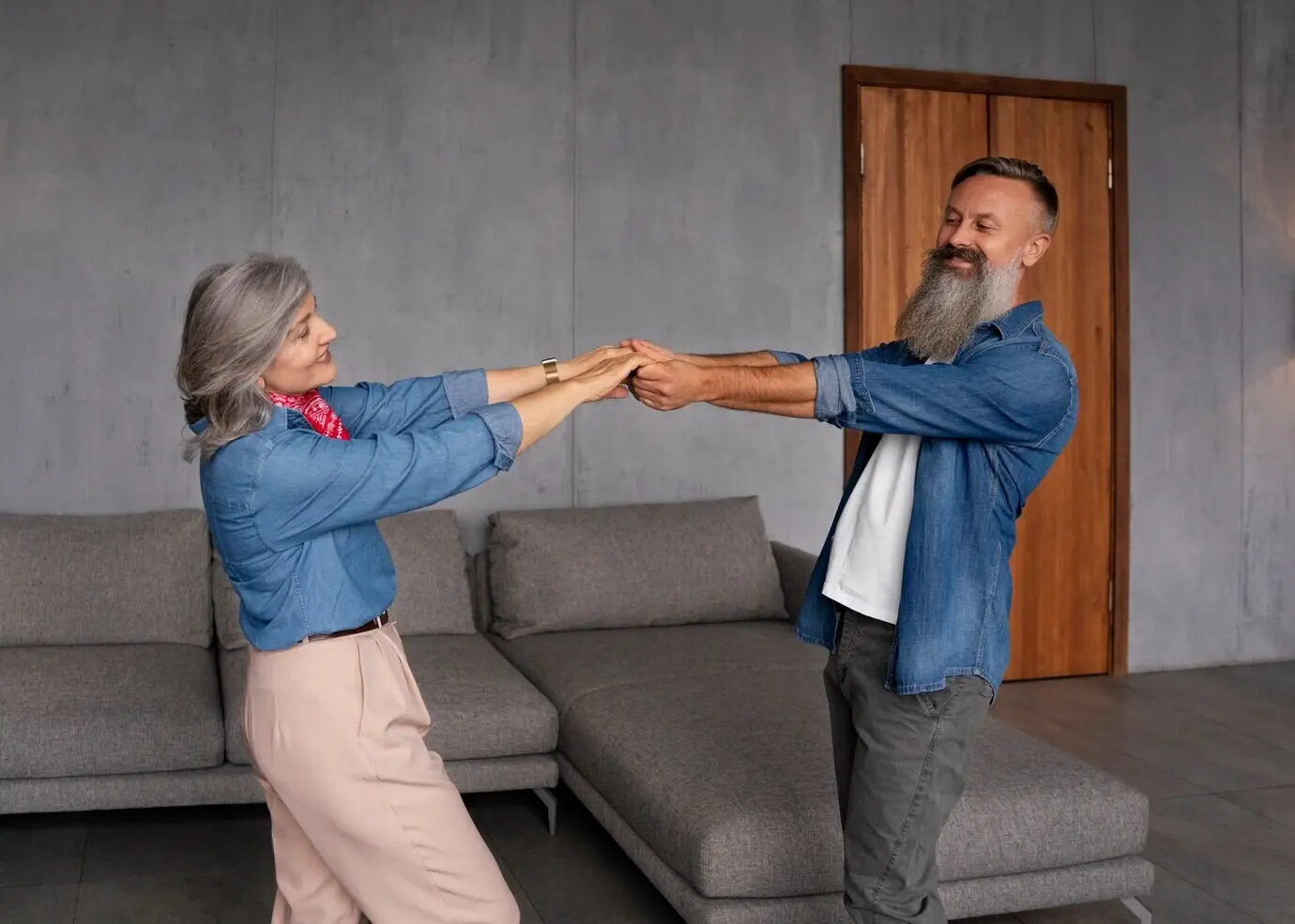
Color shifts, gentle chimes, and subtle haptics acknowledge successful paraphrases or respectful turn-taking right away. Because signals celebrate behaviors rather than personalities, people stay open, iterate faster, and leave sessions feeling energized, not judged, which sustains participation across longer programs and trickier conversations.
Reflective Debriefs That Lock Learning
After each mission, short prompts ask what went well, what surprised you, which interest was uncovered, and how tone influenced trust. Writing or voicing responses creates retrieval cues, so lessons resurface later, improving choices during tense deadlines, stakeholder escalations, or personal disagreements at home.
Measuring Progress with Care
Track behavioral indicators like interruptions reduced, empathy statements increased, and agreements reached, while pairing numbers with stories to protect humanity. Anonymize data, invite consent, and avoid leaderboards that humiliate. The goal is learning, not ranking, so insights translate into everyday cooperation and healthier negotiations.
Build Your First 7-Day Challenge

Day 1–2: Observation and Language Swaps
Track where conflicts flare and which words escalate. Replace judgments with observations and impact statements, then test curious questions. Award points for pausing before replies and for summarizing needs. Two days of mindful noticing create momentum and reveal patterns that previously felt invisible or inevitable.

Day 3–4: Structured Negotiation Drills
Practice turn-taking with timers, paraphrase challenges, and interest-mapping under mild pressure. Use BATNA and ZOPA trackers to compare options honestly. Share short clips or notes with a partner for gentle feedback. By day four, confidence rises as skills feel concrete, repeatable, and surprisingly energizing.

Day 5–7: Real Conversations with Support
Choose low-risk disagreements to apply your drills, like scheduling, chores, or resource allocation. Invite a buddy to observe, or use prompts afterward to reflect. Celebrate small wins, analyze stumbles kindly, and finish the week ready for bigger stakes with calmer presence and clearer language.

All Rights Reserved.